Cafe Roubaix

Despre ciclismul de azi şi cel de altădată

Gianni Savio: “We have huge ambitions for 2014”

2013 was a mixed season for Androni Giocattoli-Venezuela: the Italian team had 13 wins, but non of these was in the Giro, its main goal. On the other hand, Androni made sure of receiving of a wild card for the 2014 Corsa Rosa, thanks to the results it had in the Coppa Italia throughout the year. For next season, Androni transferred no less than eight riders, and despite some of them being very young and at their debut as pros, manager Gianni Savio hopes to see them score more wins than the total his Pro Continental team had in the previous year.

– Mister Savio, what were the best moments of the year for Androni Giocattoli-Venezuela?

We had many good moments during this season, because we honoured all the races, starting in January with the Tour of San Luis, where Mattia Gavazzi won a stage, then in April, with Alessandro Malaguti in the Route Adélie de Vitré. Also, even if we didn’t won a stage, we were protagonists in the Giro, where our team had a record: 1680 kilometres spent in the breakaway. After the Giro, another important win was that of Marco Frapporti in stage four of the Route du Sud, followed by the overall triumph of Carlos Ochoa in the Vuelta a Venezuela, where we also scored two stage wins. Finally, in September, we won the Gran Premio Industria & Commercio di Prato with Gianfranco Zilioli.

– Were you disappointed not to win the Coppa Italia?

We were second at the end of the season, but that only because there was a stratospheric, an extraordinary Diego Ulissi who won three of the last four races. Still, we are happy, because thanks to that result we received a wild card for the next Giro d’Italia.

– Which of Androni’s riders surprised you this season?

I have to say Gianfranco Zilioli. He is a young rider, very talented and was very impressive with his win in the Gran Premio Industria & Commercio di Prato, where we must not forget he was racing as a stagiaire.

– Let’s talk about the transfers for next season.

We have many very good young riders, and I’m very happy. These riders are Gianfranco Zilioli, Andrea Zordan, the U23 Italian champion, and Yonder Gondoy, who won the U23 time trial title in Venezuela. People noticed him in the World Championships, where he was in the breakaway for more than 100 kilometres, despite being the youngest rider in the race, just 20 years old. There is a big chance for Zordan and Zilioli to ride the Giro next season, but first we must see their condition.

– And how about the transfers of Johnny Hoogerland and Kenny Van Hummel? Do you hope they will bring you wild cards for the Ardennes?

We wanted to broaden our horizons, our philosophy, and to adapt to the reform of international cycling, that’s why we signed them. You know that there will be some changes, and we must be prepared to go in races from Northern Europe. We have faith in Van Hummel for the sprints, while Hoogerland brings a good image for the team, as he is very aggressive, very combative in races. Androni and Hoogerland share the same mentality. And yes, we hope to be in some of the Ardennes Classics, as we have huge ambitions for 2014.

– Are you still interested in signing Franco Pellizotti?

I want him, but that doesn’t mean there will be a new contract, but an extension of the previous one. The things should be clearer this week, but I want him in the team for next season.

– Speaking of 2014, who can be the surprise of Androni?

Besides Andrea Zordan and Gianfranco Zilioli, I would have to say Diego Rosa. He can be one of the captains of the team in the Giro, not a “domestique”, as was the case in 2013. Anyway, all these riders are combative and I’m sure they can shine next season.

– What are the chances for Androni te be a World Tour team in the following years?

I am in negotiations with the Venezuelan Government and I’ll have an important meeting at the beginning of next year. Artemio Leonett, the president of the Federation, is very interested, as is Alejandra Benitez, the Minister for Sport. They are willing to invest, and I hope we will have a World Tour team for 2016, which is an Olympic year. Things are looking good so far: you know we have that project developed for young Venezuelan riders, thanks to which we discovered Yonder Godoy and Carlos Gimenez, who has the potential of becoming a Grand Tour contender in the future. For now, he will ride for Maltinti, a U23 team, and he will join us in 2015. I want to discover other young riders in the future, so it’s very important to have a World Tour structure.

Gianni Savio: “Avem ambiţii mari pentru 2014”

2013 a fost un sezon cu bune şi rele pentru Androni Giocattoli-Venezuela: echipa italiană a obţinut 13 victorii, dar nici una dintre acestea nu a venit în Giro, principalul său obiectiv. Pe de altă parte, Androni s-a asigurat că va primi o invitaţie pentru ediţia din 2014 a Turului Italiei, datorită rezultatelor pe care le-a avut în Campionatul Naţional de-a lungul anului. Pentru sezonul viitor, Androni a transferat nu mai puţin de opt ciclişti, şi în ciuda faptului că unii dintre aceştia sunt foarte tineri şi debutanţi la profesionişti, managerul Gianni Savio speră ca ei să îi aducă echipei Pro Continentale mai multe succese decât în stagiunea anterioară.

– Domnule Savio, care au fost cele mai bune momente ale anului pentru Androni?

Am avut multe pe parcursul sezonului, deoarece am onorat toate cursele în care am participat, începând din luna ianuarie, cu Turul San Luis, acolo unde am câştigat o etapă prin Mattia Gavazzi. Apoi, în aprilie, Alessandro Malaguti s-a impus în Route Adélie de Vitré, iar în Giro, chiar dacă nu am bifat o victorie, am stabilit un record: 1680 de kilometri adunaţi în evadări. După Turul Italiei, ne-am adjudecat Turul Venezuelei, datorită lui Carlos Ochoa, câştigând şi trei etape pe parcurs. În cele din urmă, în septembrie, Gianfranco Zilioli s-a impus în Gran Premio Industria & Commercio di Prato, aducându-ne un nou succes important.

– Aţi fost dezamăgit pentru că echipa nu a câştigat Campionatul Naţional?

Am terminat pe locul secund la finalul sezonului, dar asta numai pentru că am întâlnit un stratosferic, un extraordinar Diego Ulissi, care a câştigat trei dintre ultimele patru curse. Totuşi, suntem fericiţi, deoarece datorită acelui rezultat am obţinut o invitaţie pentru următoarea ediţie a Il Giro.

– Care dintre cicliştii lui Androni v-a surprins în 2013?

Trebuie să spun Gianfranco Zilioli. Este un rutier tânăr, foarte talentat, care a impresionat prin victoria din Gran Premio Industria & Commercio di Prato, unde nu trebuie să uităm că a participat ca stagiar.

– Haideţi să vorbim despre transferurile pentru sezonul viitor.

Am adus mulţi tineri ciclişti talentaţi, ceea ce mă mulţumeşte. Aceştia sunt Gianfranco Zilioli, Andrea Zordan, campionul Italiei la sub 23 de ani, şi venezueleanul Yonder Godoy, campion naţional la tineret, în cursa de contratimp. Oamenii l-au putut remarca la Campionatele Mondiale, acolo unde s-a aflat în evadare pentru mai mult de o sută de kilometri, în ciuda faptului că a fost cel mai tânăr rutier prezent la start, la doar 20 de ani. În ceea ce îi priveşte pe Zordan şi Zilioli, ei au o şansă importantă să participe în Turul Italiei sezonul următor, dar trebuie ca mai întâi să vedem nivelul la care se vor afla.

– Speraţi ca transferurile lui Johnny Hoogerland şi Kenny Van Hummel să vă aducă invitaţii pentru clasicele din Ardeni?

Am dorit să ne lărgim orizonturile şi filosofia şi să ne adaptăm la reforma din ciclismul internaţional, de aceea i-am transferat. După cum ştii, vor fi câteva schimbări, iar noi vrem să fim pregătiţi pentru cursele din nordul Europei. Avem încredere în Van Hummel pentru sprinturi, în timp ce Hoogerland aduce o imagine bună pentru echipă, este foarte agresiv şi combativ în curse. Androni şi Hoogerland au aceeaşi mentalitate şi sperăm să fim prezenţi în câteva dintre clasicele din Ardeni, mai ales că avem ambiţii mari pentru 2014.

– Sunteţi în continuare interesat să semnaţi cu Franco Pellizotti?

Îl vrem, însă asta nu înseamnă că va fi vorba despre un nou contract, ci despre o prelungire a precedentului. Lucrurile ar trebui să se clarifice săptămâna aceasta, dar îl vreau în echipa pentru sezonul următor.

– Dacă tot aţi adus vorba despre anul viitor, cine poate surprinde din echipa dumneavoastră?

În afară de Andrea Zordan şi Gianfranco Zilioli, trebuie să mai spun Diego Rosa. Poate fi unul dintre căpitanii lui Androni în Turul Italiei, nu doar un “locotenent”, aşa cum a fost cazul în 2013. Toţi aceşti ciclişti sunt combativi şi sunt sigur că vor străluci anul viitor.

– Care sunt şansele ca Androni să ajungă în World Tour în sezoanele următoare?

Mă aflu în negocieri cu guvernul venezuelean şi voi avea o întâlnire cu oficialii de acolo la începutul anului viitor. Artemio Leonett, preşedintele Federaţiei, este foarte interesat, la fel ca Alejandra Benitez, ministrul sportului. Sunt dornici să investească şi sper să avem o echipă de World Tour până în 2016, când este an olimpic. Lucrurile arată bine până acum: ştii că am dezvoltat un proiect pentru tinerii ciclişti venezueleni, un proiect datorită căruia i-am descoperit pe Yonder Godoy şi Carlos Gimenez, care are potenţialul de a deveni un candidat la câştigarea unui Mare Tur în viitor. Pentru moment, va face parte din echipa de tineret Maltinti, urmând ca în 2015 să ni se alăture. Vreau să descopăr în continuare tineri talentaţi, aşa că e important să avem o structură la nivelul World Tour.

Bob Jungels: “I want to improve my climbing skills”

As a U23 rider, Bob Jungels won Paris-Roubaix, Flèche du Sud, Le Triptyque des Monts et Châteaux and the National Championships, and people were already saying he can be one of the best riders in the peloton in the years to come. Then, in 2013, he became a pro with RadioShack-Leopard and didn’t fail to impress, scoring four wins and showing that he can also climb very well, not only time trial, in races like Critérium International or Clasica San Sebastian.

Now, Bob Jungels is preparing for the new season and his expectations are high, especially when it comes to stage races. Thanks to Tim Vanderjeugd, the press officer of Trek Factory Racing, I got in touch with Bob before the holidays and got to know more from him about his schedule and goals for 2014, a year in which he will get many opportunities to shine.

– Bob, you got a win in one of your first races as a pro. How was that feeling? What were you thinking when crossing the line first in the GP Nobili?

My first victory was of course exceptional for me, it was a big surprise and of course I was super happy with it! I couldn’t really believe that I won after such a long breakaway, but the feeling on the line was amazing. I’ll remember that day for a long time!

– Another important moment for you this year was riding Paris-Roubaix. How was it, do you want to come back in the future or forget about it?

Paris-Roubaix was one of the best experiences for my this year. We had obviously a lot of pressure with Fabian as leader and in the end everything went well! I won’t forget about it, but I think I’ll focus more on the Ardennes Classics in the next years, I think these races suit me better and I will maybe have more chances to get a good result as in Flanders or Roubaix. But I won’t close that door for the future.

– In September you’ve raced at the World Championships. Tell me, how did you live that experience?

The Worlds have been a mixed experience for me, I was really excited about it and I was happy to be part of the team time trial team. The individual time trial was a bit disappointing for me as I did not really recovered from the TTT and the road race has been really hard due to the conditions. I crashed two times and was forced to give up the race. I really don’t like pulling out of races, especially if it’s the Worlds, so the disappointment was big, but I’m already looking forward to next year’s Worlds.

– You’ve had a total of four wins this year. Which of these was the best one?

The victory in Nobili and the fifth stage in the Tour of Luxembourg have been the “best” ones. Every victory is of course nice, but I think the way I won these two races made them special. Also, I’m very happy for progressing a lot on my tactical level and on my general skills in the races.

– After this year, in which direction are you heading to: one-day races or stage races?

I will focus more on the stage races and the hard one-day races, such as the Ardennes Classics or the Clasica San Sebastian.

– And what objectives do you have for 2014?

I would like to get more experience in World Tour stage races, like Paris-Nice, and why not, in a Grand Tour. To be competitive in the Grand Tours, I need to improve my climbing skills, I think that will be the main focus, but of course I’d like to improve also my time trial.

– Do you know your programme for the first months of the season?

Yes, I will start in the Tour of Dubai and then I’ll go to the Tour Méditerranée, Paris-Nice, Critérium International, Tour of Basque Country, Ardennes Classics, Tour of California and Tour of Luxembourg.

Bob Jungels: “Vreau să devin mai bun pe căţărări”

La categoria sub 23 de ani, Bob Jungels a câştigat Paris-Roubaix, Flèche du Sud, Le Triptyque des Monts et Châteaux şi Campionatele Naţionale, iar oamenii au început să vorbească despre el ca fiind unul dintre rutierii cu un viitor frumos în sezoanele următoare. Apoi, în 2013, a devenit profesionist alături de RadioShack-Leopard şi a impresionat imediat, bifând patru victorii şi arătând că este bun nu doar la contratimp, ci şi pe căţărări, în curse precum Criteriul Internaţional şi Clasica San Sebastian.

Acum, Bob Jungels se pregăteşte pentru un nou sezon, iar aşteptările sale sunt mari, mai ales când vine vorba despre cursele pe etape. Cu ajutorul lui Tim Vanderjeugd, ofiţerul de presă al echipei Trek Factory Racing, am reuşit să stau de vorbă cu Bob înainte ca el să intre în vacanţă şi să aflu mai multe despre programul şi obiectivele sale pentru 2014, un an în care va beneficia de mai multe oportunităţi pentru a se face remarcat.

– Bob, ai obţinut o victorie în una dintre primele curse în care ai participat. Cum te-ai simţit după ce ai trecut linia de sosire în Gran Premio Nobili?

Primul meu succes a fost excepţional, a venit ca o mare surpriză şi am fost foarte fericit pentru asta! Nu mi-a venit să cred că am câştigat după o evadare atât de lungă, sentimentul după ce am trecut linia de sosire a fost incredibil. Voi ţine minte acea zi mult timp de acum înainte!

– Un alt moment important a fost participarea ta în Paris-Roubaix. Cum a fost, vei reveni sau vei uita de această cursă?

Paris-Roubaix a fost o altă experienţă frumoasă anul acesta. Cu Fabian lider, a fost multă presiune pe noi, dar până la urmă totul s-a terminat cu bine. Nu voi uita de această cursă, dar vreau să mă concentrez pe clasicele din Ardeni în sezoanele următoare, deoarece mi se potrivesc mai bine şi îmi oferă mai multe oportunităţi să obţin un rezultat bun decât Turul Flandrei sau Paris-Roubaix. Însă nu voi închide uşa pentru viitor în ceea ce priveşte Paris-Roubaix.

– Pe finalul sezonului, ai mers la Campionatele Mondiale. Cum ţi s-au părut?

Mondialele au reprezentat o experienţă complexă pentru mine. Am fost încântat să particip şi să fac parte din echipa care a concurat în contratimpul pe echipe, însă contratimpul individual a fost dezamăgitor, deoarece nu m-am recuperat complet după cel pe echipe, în timp ce cursa pe şosea a fost foarte dură, din cauza condiţiilor meteo. Am căzut de două ori şi am fost nevoit să abandonez. Nu îmi place să fac asta, mai ales când este vorba despre Mondiale. Dezamăgirea a fost mare, dar deja aştept cu nerăbdare ediţia de anul viitor.

– Ai adunat patru victorii în 2013. Care a fost cea mai importantă?

Cele din Gran Premio Nobili şi din etapa a cincea a Turului Luxemburgului au fost cele mai frumoase. Fiecare succes contează, însă felul cum le-am obţinut pe acestea două le-a făcut să fie atât de speciale. De asemenea, sunt fericit pentru că am progresat mult la nivel tactic, dar şi în ceea ce priveşte abilităţile mele în cursă.

– După acest sezon, în ce direcţie te îndrepţi: curse de o zi sau pe etape?

Mă voi concentra pe cursele pe etape, dar şi pe cele dure de o zi, cum ar fi clasicele din Ardeni sau Clasica San Sebastian.

– Şi ce obiective ai pentru sezonul viitor?

Îmi doresc să obţin mai multă experienţă în cursele pe etape din World Tour, precum Paris-Nisa, şi de ce nu, într-un Mare Tur. Cum vreau să fiu competitiv în Marile Tururi, trebuie să îmi îmbunătăţesc aptitudinile de căţărător, aşa că mă voi concentra pe asta mai mult, dar nu voi neglija nici contratimpul.

– Îţi cunoşti programul pentru primele luni ale anului?

Da, voi începe cu Turul Dubaiului, după care voi merge în Turul Mediteranean, Paris-Nisa, Criteriul Internaţional, Turul Ţării Bascilor, clasicele din Ardeni, Turul Californiei şi Turul Luxemburgului.

Tony Gallopin: “The World Championships are on my mind”

After two seasons with RadioShack-Leopard, Tony Gallopin decided it was time for a change, so in the Summer he signed a contract with Lotto-Belisol. After enjoying the biggest victory of his career at the Clasica San Sebastian, the French rider will focus on the one-day races in 2014, at least in the first half of the season, where he will try to leave his mark on the Spring Classics. Of course, the Classics will not be the only goals of Tony Gallopin, who hopes to shine in a couple of stage races, but also in Ponferrada, where the 87th edition of the World Championships will take place.

– Tony, how is the training camp?

It’s good, is almost over now, the weather was fine and another important thing is that I got to know all my teammates by now. I did normal trainings, without working on anything particular, and I’m very happy that the team is so well organized.

– What made you sign with Lotto-Belisol?

I’ve developed personal ambitions. It was difficult to continue with RadioShack-Leopard, because Fabian Cancellara was the big leader for the Classics. There were also leaders for the stage races, so I’ve decided to come here for a new experience, for opportunities and for the mentality Lotto has as a Belgian team.

– Did you get to talk with the manager of the team, will you be the leader in some races?

Of course, I will be the leader for the Spring Classics, but I won’t have all the team for me. I’ll be protected, but not like a big leader.

– Do you know your programme for the first months of the year?

I will start in France with the Grand Prix La Marseillaise and the Etoile de Bessèges, then I will go in the Tour of Oman and before the Classics I will race in Paris-Nice. Afterwards, I’ll do all the cobbled Classics, except Paris-Roubaix. Then I’ll be back for the Ardennes Classics.

– So, the Classics will be more important next year than stage races.

Yes, that’s the plan for the first part of the season.

– Do you have any hopes for the Tour de France, especially that some stages should suit you?

First of all, we have one of the best sprinters in the world, so we’ll have to work for him. Also, we have a rider for the general classification. Then, if I’ll get some freedom and have an opportunity, I will try to make the most of it.

– What did you lack in 2013 and you feel you have to improve for next season?

I need to progress in the Classics, to become a little bit stronger and to be up there with the best. Also, in the second part of the season I would like to progress in the mountains and maybe lose some weight, so that I can get some good results in the Criterium du Dauphiné.

– Will the World Championships from Ponferrada be one of your goals for 2014?

The road race is already in my mind. I saw the profile and I really like it. It’s true, I need to ride there in order to get a better picture, but it’s a good course for me.

Tony Gallopin: “Campionatele Mondiale sunt un obiectiv”

În vară, după două sezoane petrecute alături de RadioShack-Leopard, Tony Gallopin a decis că a venit momentul unei schimbări, aşa că a semnat cu Lotto-Belisol. Victorios în Clasica San Sebastian (de departe, cel mai mare succes al carierei), ciclistul francez se va concentra pe cursele de o zi în 2014, cel puţin în prima jumătate a sezonului, atunci când va încerca să îşi lase amprenta asupra clasicelor de primăvară. Evident, cursele de o zi nu vor fi singurele obiective ale anului pentru Tony Gallopin, care speră să se facă remarcat şi în câteva curse pe etape, dar şi la Ponferrada, acolo unde se va desfăşura a 87-a ediţie a Campionatelor Mondiale.

– Tony, cum au decurs lucrurile până acum în cantonament?

Totul a mers bine, suntem aproape de final, vremea ne-a ajutat, iar un alt lucru important este că am ajuns să îi cunosc acum pe toţi colegii. Au fost antrenamente normale, fără nimic specific, şi sunt mulţumit că echipa e foarte bine organizată.

– Ce te-a determinat să semnezi cu Lotto-Belisol?

Apariţia unor obiective personale. Era dificil să continui cu RadioShack-Leopard, deoarece Fabian Cancellara era lider pentru clasice, şi aveam oameni care să conducă echipa şi în cursele pe etape, aşa că am venit la Lotto pentru o experienţă nouă, pentru oportunităţi şi pentru mentalitatea de aici, specifică unei echipe belgiene.

– Ai discutat cu conducerea echipei, vei avea ocazia să fii liderul lui Lotto-Belisol în unele curse?

Da, voi fi lider în clasice, dar nu voi avea întreaga echipă la dispoziţie. Voi fi ajutat, însă nu ca un lider în adevăratul sens al cuvântului.

– Îţi cunoşti programul pentru primele luni ale anului?

Voi începe în Franţa, cu Grand Prix La Marseillaise şi Etoile de Bessèges, după care voi merge în Turul Omanului, iar înainte de clasice voi participa în Paris-Nisa. După aceasta, vor urma toate clasicele pe pavate, cu excepţia Paris-Roubaix. Apoi, voi reveni în pluton pentru clasicele din Ardeni.

– Aşadar, clasicele vor fi mai importante sezonul următor decât cursele pe etape.

Aşa este, în special în ceea ce priveşte prima parte a stagiunii.

– Ce speranţe ai pentru Turul Franţei, în condiţiile în care unele dintre etape ţi se potrivesc?

În primul rând, îl avem în echipă pe unul dintre cei mai buni sprinteri din lume, aşa că vom munci pentru el. De asemenea, avem şi un om de clasament general. Dacă în unele etape voi avea mai multă libertate şi vor apărea oportunităţi, atunci voi încerca să le speculez.

– Ce ţi-a lipsit în 2013 şi vrei să îmbunătăţeşti în sezonul următor?

Trebuie să progresez în clasice, să devin mai puternic şi să stau alături de cei mai buni. În a doua jumătate a sezonului, îmi doresc să fac faţă mai bine în munţi şi poate să slăbesc câteva kilograme, astfel încât să obţin rezultate bune în Criteriul Dauphiné.

– Vor fi Campionatele Mondiale de la Ponferrada unul dintre obiectivele pentru 2014?

Da, cursa pe şosea e deja în planurile mele. Am văzut profilul şi îmi place. Este adevărat, trebuie să merg în recunoaştere pentru a-mi face o idee mai bună, dar pe hârtie mi se potriveşte.

Petr Vakoč: “My future is in the Ardennes”

In recent years, more and more riders kept emerging from Central Europe, and one of these is the Czech Petr Vakoč, who had a superb season in 2013, winning the U23 Vuelta a la Comunidad de Madrid, the Grand Prix Kralovehradeckeho kraje, the Okolo Slovenska, a stage in the Czech Tour, as well as finishing second in the European Championships that took place in his home country.

Now, Petr Vakoč is embarking on a new adventure, with Omega Pharma-Quick Step, that has offered him a pro contract after the results he had with its feeder team, Etixx-Ihned. What lies ahead of him and what does he hope to get over the years? You can find out by reading the following interview, for which Petr made some time this week, during his training camp in Spain.

– Petr, what’s your story with cycling, how did you came up to this sport?  

I started riding a bike when I was really young. My parents were active and so I have done a lot of sports with them when I was a small kid. I have always liked cycling a lot and I was also quite competitive. When I was six years old I did my first race and I loved it. Since then I started to race from time to time and when I was ten years old I started to ride for a local bike club. But at the time I was still swimming, playing football, tennis and trying other sports. When I was fifteen, I moved to Dukla Prague, where we started to take cycling more seriously. That was also the time when I started to focus on road rather than MTB.

– You raced for three amateur teams: Dukla Prague, CC Etupes and Etixx-Ihned. How important were these teams in your development?   

All of the teams were really important for me. At Dukla I learned how the race on the road and also on the track and it played a huge role in my development and growing passion for cycling. I also spent a few months as a Junior and almost the whole first U23 season in the World Cycling Centre team run by the UCI, which was another great experience. The following year I got the opportunity to ride for CC Etupes and that was a big step for me. I had a great time there and learned a lot, but finally, it was this year’s team, Etixx-Ihned, which probably had the biggest impact on me. It was a huge motivation being in the feeder team of my dream team, Omega Pharma-Quick Step. Our team was successful in almost every race and when I saw my teammates winning, it gave me another boost, because I started to believe I can win too.

– In 2013, you were second in the European Championships. What were your feelings after that result?

I was very, very happy! Being on the podium there had been my dream since I knew the European Championships would be held in my country. Staying on the podium in front of my fans was really emotional. Of course I had some regrets, as the stars jersey was really close, but those regrets disappeared fast and now I feel just happy for the accomplished dream!

– Were you disappointed not to ride the Tour de l’Avenir and the World Championships? 

Yes, I really was. Especially for not riding Tour de l’Avenir. I had been training hard for it and then realized that our national team will not ride because of some mistake in the application process. That was really hard to accept. I was looking forward to that race. Not riding the Worlds was another disappointment, as the circuit would had suited me well. But instead of being bitter, I choose to focus on the coming season, as I had already signed for Omega Pharma-Quick Step. Then I was a commentator of the U23 race for the Czech TV and I enjoyed it, although I still definitely prefer to race than to be a commentator.

– What’s your best memory as an U23 rider?  

I was thinking a lot about this question, as I had a lot of great memories. I think it was staying on the podium at the European Championships.

– What are the goals for your first World Tour season?  

I know it will be a huge step, so for me it will be very important to gain experience and get used to a different style of racing. I want to be a good part of the team and help my teammates. And I want to be ready when there is an opportunity for me to grab it!

– Did you get to talk to the team about the races you will do?

Yes, I already know my racing programme for the Spring. Most of the races will be new for me, but I know some from TV already.

– You are good on short climbs, so will the Ardennes Classics and the Italian one-day races be your objectives in the future? 

I am pretty much an all-rounder, but it is true that short climbs suit me most. I really like the Ardennes type of races, I have even had an opportunity to ride the U23 Liège–Bastogne–Liège and I loved it. In the future I would definitely like to perform well in the Ardennes Classics.

Petr Vakoč: “Viitorul meu este în Ardeni”

În ultimii ani, din ce în ce mai mulţi rutieri au început să apară din Europa Centrală, iar unul dintre aceştia e cehul Petr Vakoč, care a avut un sezon superb în 2013, câştigând Vuelta a la Comunidad de Madrid sub 23 de ani, Grand Prix-ul Kralovehradeckeho kraje, Okolo Slovenska, o etapă în Turul Cehiei, dar şi terminând pe locul secund Campionatele Europene desfăşurate în ţara natală.

Acum, Petr Vakoč va începe o nouă aventură, alături de Omega Pharma-Quick Step, care i-a oferit un contract de profesionsit după rezultatele avute în perioada petrecută concurând pentru Etixx-Ihned, echipa “pepinieră”. Ce îl aşteaptă şi ce speră să obţină în viitor? Puteţi afla din interviul următor, pe care Petr mi l-a acordat săptămâna aceasta, în timpul cantonamentului din Spania.

– Petr, cum ai început ciclismul?

Am început să merg pe bicicletă când eram foarte mic. Părinţii mei erau foarte activi, iar eu am practicat multe sporturi când eram copil. Mi-a plăcut mereu ciclismul şi am fost destul de competitiv. La vârsta de şase ani, am participat în prima cursă şi mi-a plăcut la nebunie. De atunci, am început să concurez din când în când, iar la zece ani am început să concurez pentru un club local, însă am continuat să înot, să joc fotbal, tenis şi să încerc tot felul de sporturi. La  vârsta de 15 ani, m-am mutat la clubul Dukla Praga, unde am luat ciclismul mai în serios. Tot atunci am decis să mă concentrez mai mult pe şosea, şi nu pe mountain bike.

– Ai concurat pentru trei echipe de amatori: Dukla Praga, CC Etupes şi Etixx-Ihned. Cât de importante au fost în dezvoltarea ta?

Toate au contat. Alături de Dukla, am învăţat cum să mă descurc pe şosea şi pe velodrom, iar echipa a jucat un rol uriaş în dezvoltarea mea şi în pasiunea tot mai mare pentru ciclism. De asemenea, mi-am petrecut câteva luni ca junior, iar apoi aproape tot primul sezon la tineret, la Centrul Mondial de Ciclism, condus de UCI, ceea ce a fost o altă experienţă extraordinară. Anul următor am avut oportunitatea de a merge la CC Etupes, iar acela a fost un pas uriaş pentru mine. M-am simţit extraordinar, am învăţat mult acolo, însă în cele din urmă, a fost echipa de anul acesta – Etixx-Ihned – cea care a avut cel mai mare impact asupra mea. A reprezentat o motivaţie uriaşă să mă aflu în formaţia de tineret a echipei visurilor mele, Omega Pharma-Quick Step. Echipa noastră a avut succes în aproape fiecare cursă, iar atunci când mi-am văzut colegii câştigând, am primit un imbold, deoarece am început să cred că şi eu pot câştiga.

– În 2013, ai terminat pe locul secund Campionatele Europene. Cum te-ai simţit după acea cursă?

Am fost foarte, foarte fericit! A fost visul meu să închei pe podium încă de când am aflat că această competiţie va avea loc în ţara mea natală. Să fiu prezent pe podium, în faţa propriilor fani, a fost cu adevărat emoţionant. Evident, am avut regrete, deoarece am fost foarte aproape să câştig tricoul cu stele, însă acestea au trecut imediat şi acum mă bucur pentru că mi-am împlinit visul!

– Ai fost dezamăgit să nu participi în Tour de l’Avenir şi la Campionatele Mondiale?

Da, chiar am fost, în special pentru că nu am mers în Tour de l’Avenir. M-am antrenat din greu, iar apoi mi-am dat seama că echipa noastră naţională nu va concura, din cauza unei greşeli comise atunci când a aplicat pentru o invitaţie. Aşteptam cu nerăbdare acea cursă. Absenţa de la Campionatele Mondiale a reprezentat o altă dezamăgire, mai ales că mi se potrivea circuitul. Însă am decis să mă concentrez pe noul sezon, în loc să mă las cuprins de amărăciune, cu atât mai mult cu cât semnasem deja cu Omega Pharma-Quick Step. Apoi am comentat pentru televiziunea cehă cursa de tineret de la Mondiale şi mi-a făcut plăcere, deşi prefer mai mult să concurez decât să comentez.

– Care este cea mai frumoasă amintire din anii petrecuţi la tineret?

M-am gândit mult la această întrebare, deoarece am avut parte de multe momente frumoase. Cred că aceasta a fost atunci când m-am aflat pe podium la Campionatele Europene.

– Ce obiective ai pentru primul sezon în World Tour?

Ştiu că va fi un pas uriaş, aşa că pentru mine cel mai important va fi să câştig experienţă şi să mă obişnuiesc cu un alt stil de cursă. Vreau să fiu un om important pentru echipă şi să îmi ajut colegii. De asemenea, îmi doresc ca atunci când voi beneficia de o oportunitate, să fiu pregătit pentru a profita de ea imediat.

– Ai discutat cu echipa despre cursele în care vei participa?

Da, îmi cunosc deja programul pentru primăvară. Cele mai multe curse vor fi noi pentru mine, dar pe unele le ştiu deja de la televizor.

– Eşti bun pe căţărările scurte şi dure. Vor fi clasicele din Ardeni şi cele din Italia obiectivele tale în viitor?

Sunt un all-rounder, însă e adevărat că ascensiunile scurte mi se potrivesc cel mai bine. Îmi plac cursele asemănătoare celor din Ardeni, chiar am avut ocazia să concurez în Liège–Bastogne–Liège sub 23 de ani şi mi-a plăcut mult. Categoric, în viitor îmi doresc să am evoluţii bune în clasicele din Ardeni.

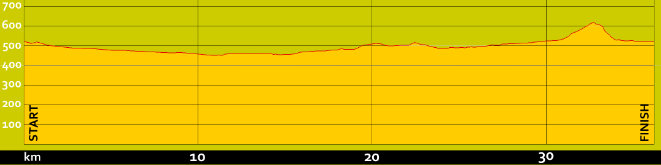
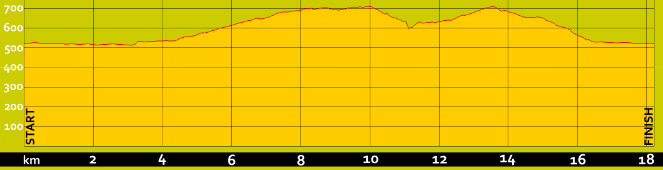
Ponferrada 2014

Contratimpul juniorilor

ITT Juniori

– 29,5 kilometri lungime

– 618 metri altitudine maximă

– 7% pantă maximă

Cursa pe şosea a juniorilor

RR Juniori

– 7 tururi a câte 18,2 kilometri

– 127,4 kilometri lungime

– 709 metri altitudine maximă

– 11% pantă maximă

Contratimpul sub 23 de ani

ITT U23

– 36,1 kilometri lungime

– 618 metri altitudine maximă

– 7% pantă maximă

Cursa pe şosea sub 23 de ani

RR U23

– 10 tururi a câte 18,2 kilometri

– 182 de kilometri lungime

– 709 metri altitudine maximă

– 11% pantă maximă

Contratimpul elitei

ITT Pro

– 47,1 kilometri lungime

– 709 metri altitudine maximă

– 10% pantă maximă

Cursa pe şosea a elitei

RR Pro

– 14 tururi a câte 18,2 kilometri

– 254,8 kilometri lungime

– 709 metri altitudine maximă

– 11% pantă maximă

Michele Acquarone: Giro, Italian races and the future of cycling

In the two years he spent at the head of the Giro d’Italia, Michele Acquarone helped the Corsa Rosa develop and become increasingly popular, not only among fans, but also among the top riders, some of the biggest names in the peloton coming at the start with the objective of winning the prestigious maglia rosa. Thus, the Giro has had many spectacular moments that helped, just as the organizers wanted to, its aura of being the hardest race in the world in the most beautiful place in the world.

Assisi, Passo dello Stelvio, Matera or Tre Cime di Lavaredo are just some of the moments of reference when speaking about Giro d’Italia in the last two years, moments that are due not only to the main actors, but also to former director Michele Acquarone, whose goal was to make the Giro an internationally recognized brand, a race for fans around the world, not just for the Italians.

If he succeeded or not, this is a thing only the supporters of the race can say. What is certain is that Michele Acquarone changed the typology of a Grand Tour director, choosing to be in permanently contact with the public, to communicate with fans through social media and ask them to have their say on the Giro d’Italia route. How was the experience of these last couple of years for him? What does he think will be the future of the race and the future of cycling? Find out in the following interview.

– Mister Acquarone, what were your goals when you became director of the Giro d’Italia?

My goal since the first day, September 1st, 2008, when I’ve become Managing Director at RCS Sport and then with even greater force since September 1st, 2011 when I’ve taken over the Giro (and cycling) was twofold: on one hand, to grow the Giro d’Italia and bring it to the level of the Tour de France, and on the other, work with the entire cycling family to developour sport globally and bring it to the level of bigger sports (tennis, golf, motorsports). In both cases we are talking about ambitious goals, but certainly within our reach. I’m sorry to be stopped in the middle of a job that brought big benefits on both fronts.

– Two years later, you can draw a line and look back at your work. What are your conclusions?

The Giro has made tremendous strides and today is loved and followed all over the world, but we are still far from the Tour de France that still is for fans and for many riders the main and only goal of the season. If in 2008 the ratio was 10 to 1 Tour – Giro, today is 5 to 1. I guess we’re halfway there. My personal goal was to get to 10 to 8 in 2020. Now we have to see if the Giro will still have the ability and the courage to continue to work as we have done until now. Much rather disappointing results were on the the other front, growth of cycling compared to other sports. The interests of the various parties are still too fragmented and lacking common goals. The lingering shadow of doping, the totally absurd World Tour regulation and an anachronistic calendar are the main antagonists of a discipline that is struggling to attract new fans. To date, the only event that manages to be stronger than all of those problems is the Tour de France. Everyone should be grateful to the Tour. For many years the Tour de Frace has been able to pull an entire sports movement, but today if we want to go on we need to change in a structural way the basics of professional cycling. I’m not talking about revolution, but just a few targeted changes.

– During this period, what were for you the best moments of the race?

The Dutch and Danish Giro stages were incredible. The passion and enthusiasm of millions of fans who embraced the Giro for the first time is hard to describe in words. As it is the emotion I felt on the Zoncolan in 2010, a beautiful day that framed an unforgettable Giro. But if I have to choose a very special day I would say 2012 Milan, in Piazza del Duomo, among thousands of crazy and festive fans. It was then and there I realized the Giro had finally made that step forward we had so much desired.

– Do you have any regrets, things that could have gone better at some point?

In my work I have always looked for excellence and therefore I’m sure there are many things I could have done differently and probably better. But I also believe in the “trial and error” attitude that allows to improve by doing. The 2014 Milan-Sanremo is a good example. In recent years it has become a race for sprinters (Ciolek, Cavendish, Goss, Gerrans, Freire), but the beauty of Milan-Sanremo, what pleases the fans, is its historical unpredictability, an open race that can be won by riders with very different technical qualities. Changing the path goes in this direction, harden a bit to make it more balanced and exciting. If the race will become more beautiful, we will all be happy, otherwise no one stops us to go back or experience in other directions. I call it a “dynamic equilibrium”. I love traditions and rituals, but in a world that is changing so quickly even the traditions must be able to evolve without losing their identity. Otherwise, if they stay anchored in the past, they lose interest and then die.

– There have been many talks about a possible start of the Giro from the U.S. or the Middle East. Do you still believe this could happen soon?

Never say never! Anything is possible, though we were not been able to manage (sport and business) it so far. I’ve always wanted to see the pink jersey speeding through the streets of Washington or New York, but now with a little more experience I believe that rather than forcing a pharaonic Giro Start in America, it would be more beneficial for everyone to have a calendar with some prestigious World Tour races in the United States and a Giro d’Italia that every American cycling fan will watch on television or on his mobile device. Just as has happened to Dubai, we met for the first time in the Summer of 2012 to talk about the Giro Start in Dubai, then we decided to collaborate with local government to help Dubai create its own race. Today we have a Dubai Tour with World Tour ambitions and I’m sure it will generate new fans (and new investments) of which indirectly everyone will benefit, including the Giro d’Italia.

– Beside a financial aspect, what would be the other gains for the race?

The financial aspect is secondary. When we decided to go abroad we always did it to bring the Giro’s live experience to those cycling fans who did not know the Giro or could just follow the Giro through the media. I am sure that in Ireland the Giro will receive a royal welcome.

– I remember you saying that a start from a foreign country helps the other RCS Sport races to survive. Can these races become self sustainable in the future? What would it take for this to happen?

I have always said that the Giro d’Italia for Italians is an event destined to disappear while the Giro d’Italia designed and built to reach and excite fans all over  the world would become one of the most important sporting events in the world. I’ve always said and still believe firmly in that. In the past I also said that the Giro helps the smaller races to survive (not just the start from a foreign country), but I strongly believe that every single race must be self sustainable in the future. In the RCS portfolio there are three World Tour races – Milan-Sanremo, Il Lombardia and Tirreno Adriatico – and two smaller, but super fascinating races, the Strade Bianche and Roma Maxima. Every single race must have its own identity (a soul and a heart) and its marketing strategy. Every single race must be able to attract fans and investments because it is special and it’s unique in the cycling panorama.

The main ingredients to have self  sustainable races in the future are:

1. A strong identity and uniqueness (benchmark Paris Roubaix).

2. A great live event with many live activities (free and pay) for fans and families (benchmark Tour of Flanders).

3. A combined event with men and ladies races at the same time (benchmark Tennis Masters 1000).

– In what other countries would you like to see the Giro go in the future?

Anywhere in the world. Outside Italy, we have unlimited opportunities. Every child in the world with a bicycle must go to school wearing the pink jersey and dream about racing the Giro. If I was still running the Giro, Africa would be my 2014 target.

– The Giro kept growing in the last decade, but there’s still a gap between the race and the Tour de France. What should be the next steps in closing this gap and thus persuading more top riders to be at the start?

Fans are everything. The larger the public of the Giro, the greater the media interest, the greater the interest of teams and champions. Each of these factors is both driving and driven by others. The most important quality of a good organizer is to be engaging and I think this has been my greatest merit. The Giro is like a wonderful big party and we have to be good to convince many trendsetters to participate and enjoy it.

– Would a rivalry between two Italian riders, as was the case in the past with Coppi and Bartali or Saronni and Moser, help?

No doubt that great rivalries in sports attract new fans and make the sport bigger. Always. In every sport and in every age. Cycling needs strong and charismatic champions. Champions who excite fans during the race and in front of the microphones. When I met the juniors at the Junior World Conference organized by the UCI during the Florence Worlds I told them to go to the cinema and watch “Rush” in order to understand what made Niki Lauda and James Hunt so special and why they were so loved by fans all over the world.

– When it comes to the young Italian riders, can they become the idols of tomorrow for the fans?

Many say in Italy there are a lot of strong guys, some became pro recently, others are about to make that step. All of them can have a good career, but if they want to become “an idol” they have to get into the heart of the people and to make the audience fall in love with them. It takes legs and head, heart and courage, talent and charisma. Nothing excluded.

– In the previous editions, the Giro had strade bianche, a double ascent on the Alpe di Pampeago, and a finish on the Passo dello Stelvio. Are there any more surprises left?

Surprises? I hope so. Organizers must be good at mixing the history and charm of tradition with the charm of novelty. Italy is still yet to be fully discovered on a cycling perspective and I believe in a hundred years, the Giro has shown just 10% of the Italian beauties.

– A couple of years ago, there was a rumour about having a finish on the Scanuppia-Malga Palazzo. Could this become reality or having a climb with an average gradient of 17,6% would be too much?

I have never been there in person, but I am told that the road is too narrow and not suitable to host a big event like the Giro. In principle, I am opposed to the excesses that are often counterproductive. Riders must make the race, not organizers.

– Recently, there were some talks about reducing the Grand Tours to just two weeks in the following years. Do you believe this would be a good thing, will the Giro, for example, still be the Giro?

I am more than convinced. For the good of cycling, for the public, for the show, four “two-week Grand Tours” (2 in Europe, 1 in America and 1 in Asia/Australia) would be better than the current three three-week Grand Tours (3 in Europe). And I’m also convinced that in this way we would see Chris Froome, Alberto Contador and Vincenzo Nibali ride in all four “two-week Grand Tours”, and not just in July. This is just one of the changes that we need in order to go forward and have a real and concrete reform of cycling.

– Mister Acquarone, one more question: what’s next for you?

I’ll go wherever there is an ambitious project to be developed with professionalism and enthusiasm.

Navigare în articole